By the Rento team · 16 September 2026 · 5 min read
Security Deposits in Uganda: What Landlords Can and Cannot Deduct
A security deposit in Uganda is the tenant's money held against rent, utilities and damage. What landlords may deduct and how to return it.
The security deposit causes more end-of-tenancy arguments than anything else in a rental. The tenant thinks it is a savings account; the landlord thinks it is a fee. Under the Landlord and Tenant Act 2022 it is neither: it is the tenant's money, held by the landlord for specific purposes, and returned with an itemised statement.
What a security deposit is for
The deposit secures the landlord against three things:
- Unpaid rent at the end of the tenancy.
- Unpaid utilities the tenant was responsible for.
- Damage beyond fair wear and tear.
It is not a penalty, not a non-refundable fee, and not the last month's rent unless both sides agree in writing to treat it that way when the tenant leaves.
How much to ask for
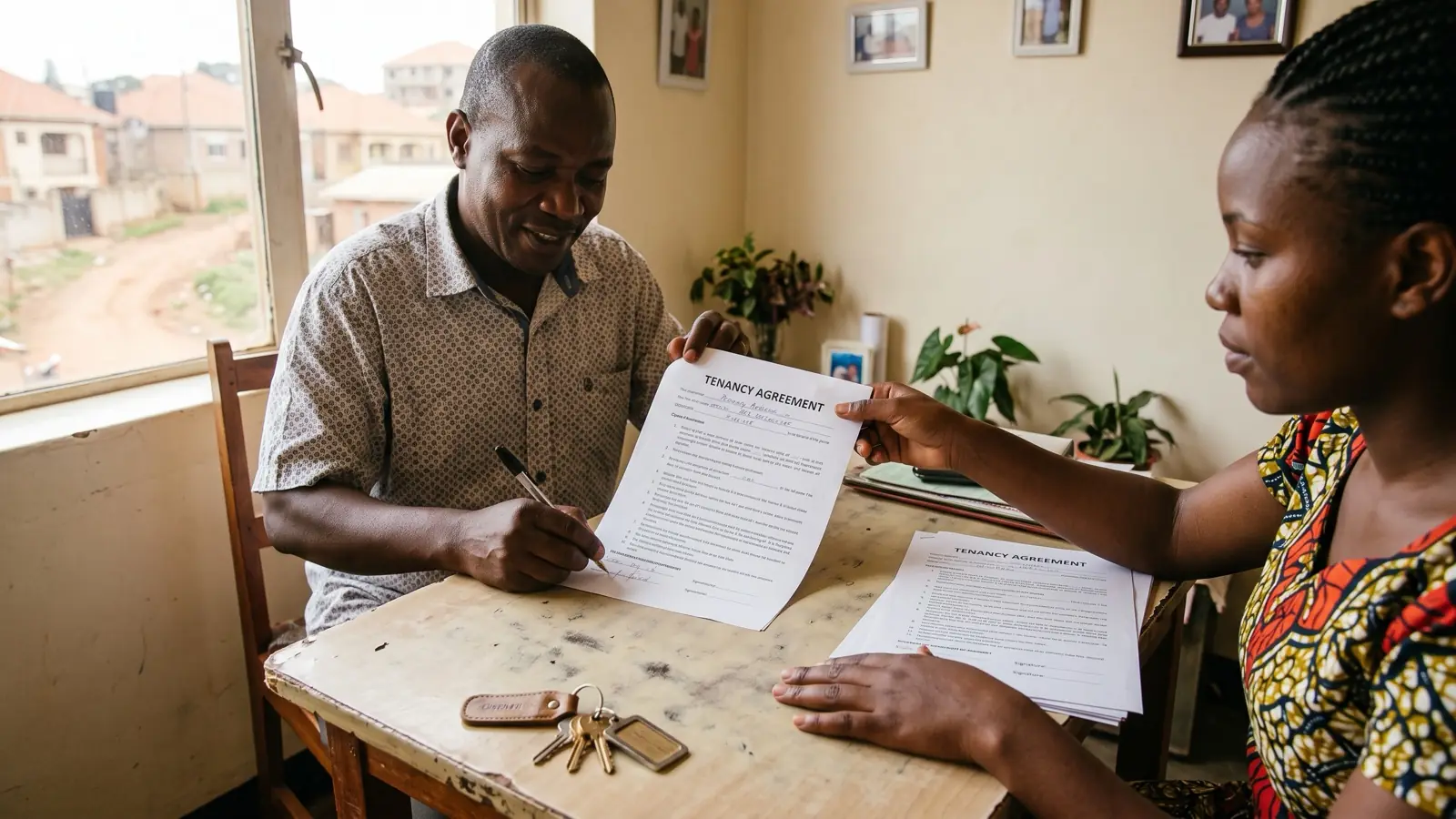
One month's rent is the norm for residential lets and is easy for tenants to understand. Some commercial landlords take two or three months for shops with fit-out. Whatever you choose, write the amount in the tenancy agreement and issue a receipt for it on the day it is paid, marked clearly as a deposit and not as rent.
What "fair wear and tear" means
Fair wear and tear is the gentle decline that comes from normal living: scuffed paint after two years, a worn mat, a tap washer that gave up, a light bulb. You cannot deduct for it.
Damage is different: a broken window, a door kicked in, holes drilled through tiles, a kitchen left with grease an inch thick, a garden used as a dump. You can deduct the reasonable cost of putting that right.
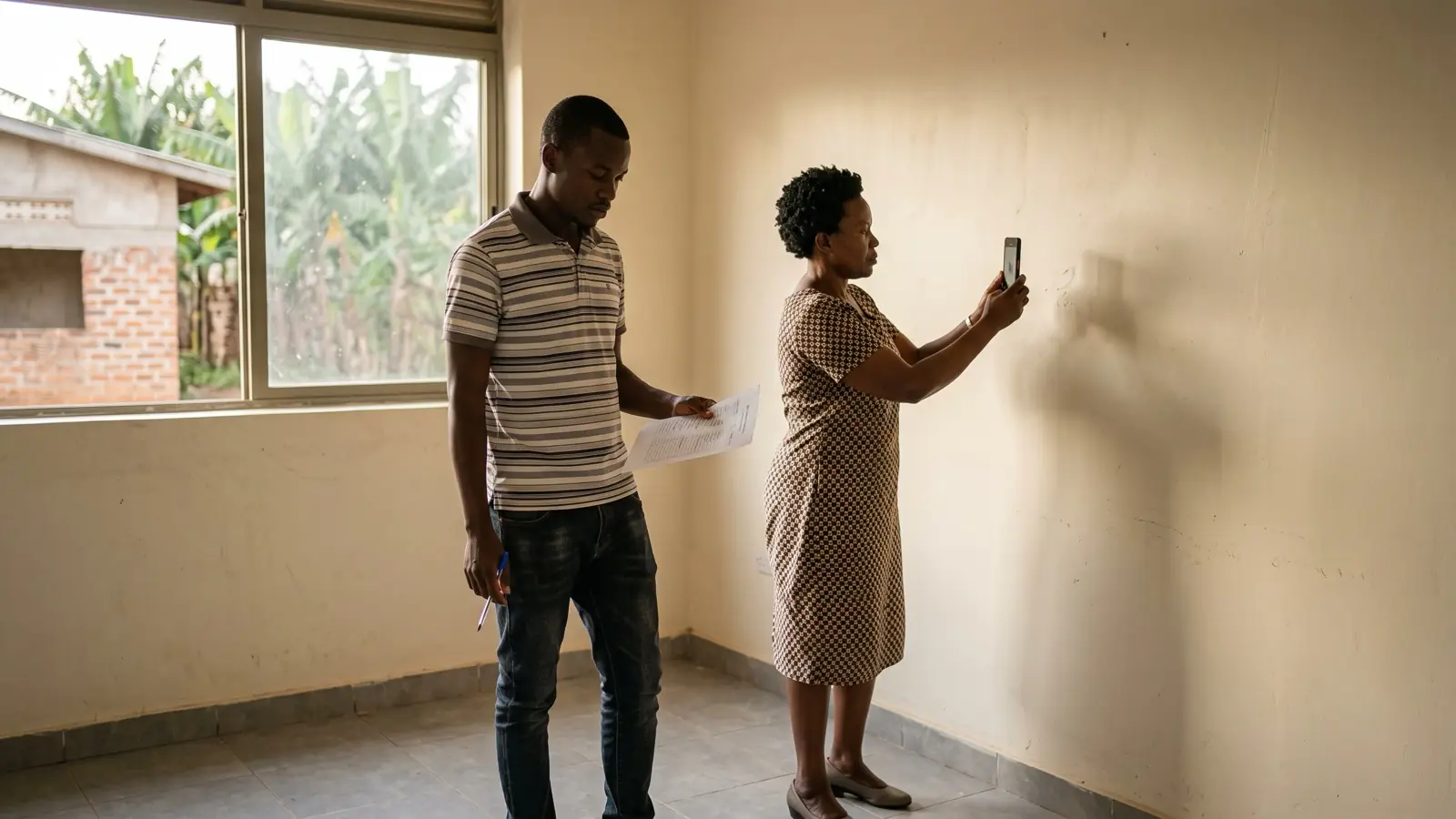
A short inspection at move-in, with photos on your phone and a signed one-page condition note, removes almost all doubt at move-out.
A move-in condition note you can copy
One page, signed by both, with photos on your phone dated the same day. It takes ten minutes and settles almost every deposit dispute before it starts.
- Walls and paint: condition, marks, holes.
- Floors and tiles: cracks, stains.
- Doors, locks and keys: number of keys handed over.
- Windows, glass, mosquito nets, curtain rails.
- Kitchen: sink, taps, cabinets, cooker point.
- Bathroom: toilet, cistern, shower, taps, drains.
- Electrical: sockets, switches, bulbs, meter reading.
- Water meter reading.
- Anything already broken, listed plainly so the tenant is not charged for it later.
Keep it with the tenancy agreement; the Landlord and Tenant Act 2022 puts the burden on you to justify each deduction, and this note is the justification.
Deductions you can make
- Rent still owing on the day the tenant hands back the keys.
- Water, electricity or garbage charges the tenant agreed to pay and did not.
- The reasonable cost of repairing damage beyond fair wear and tear, supported by a receipt or a quotation.
- Cleaning, only where the premises were left dirtier than reasonable use explains.
Deductions you cannot make
- Repainting because the paint is older, or because you want a fresh colour.
- "Administration" or "inconvenience" charges.
- Anything not in the agreement and not caused by the tenant.
- The full deposit as a lump sum because "there is always something".
Returning the deposit
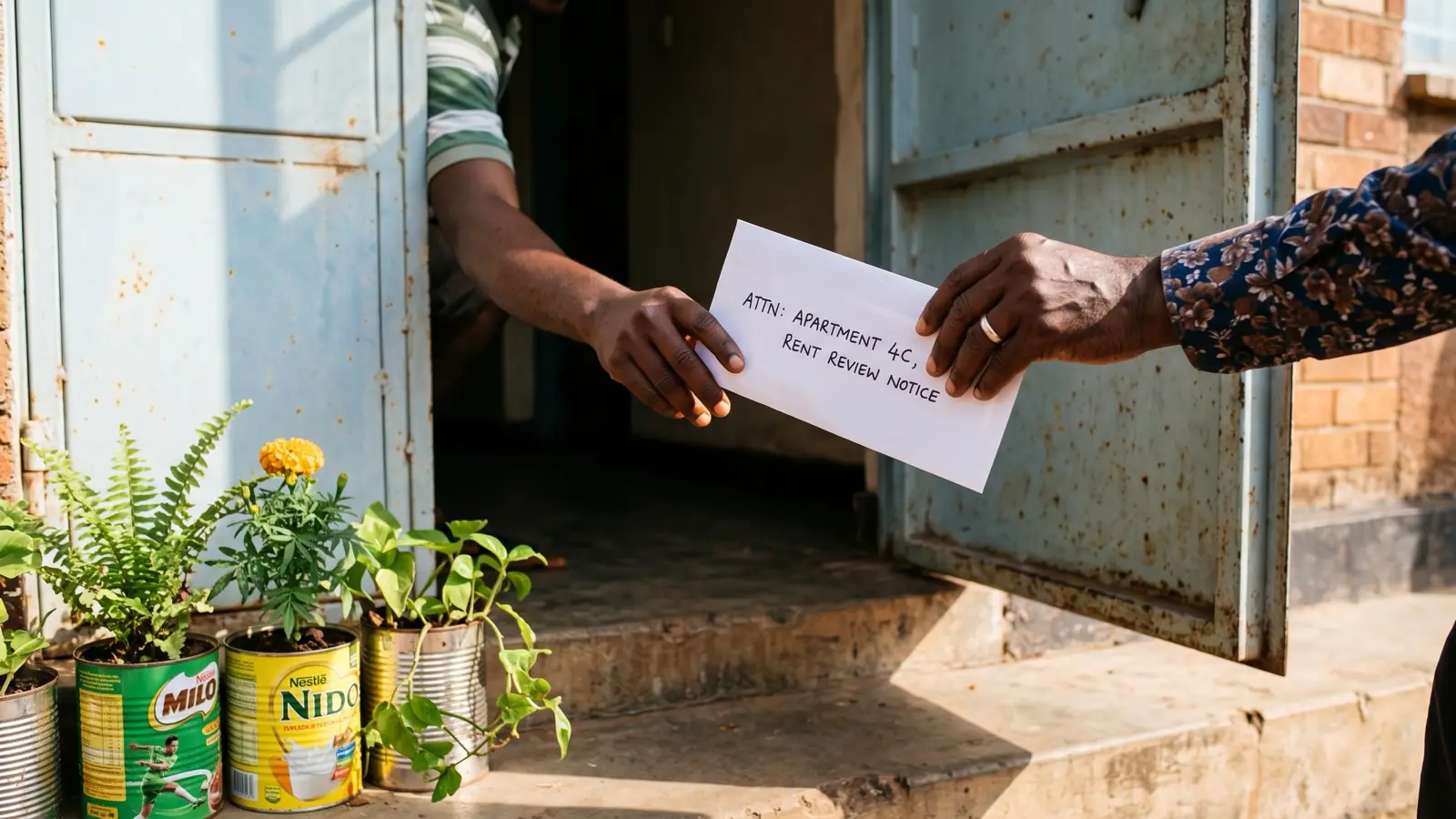
Within a reasonable time after the tenant vacates, give a written statement showing the deposit received, each deduction with its reason and amount, and the balance returned. Pay the balance by mobile money or cash against a receipt. Keep a copy of the statement with the tenancy file.
If the tenant disputes a deduction, the statement and the move-in photos are what you will show the local council court.
Deposits and part payments
Tenants sometimes ask to "use the deposit" for a month they cannot pay. You do not have to agree. If you do, put it in writing that the deposit is now reduced and must be topped up, or that the tenancy ends on a stated date. Recording the payment in Rento as a normal receipt keeps the numbers honest either way.
Keep it separate in your books
Deposits are not income until you lawfully deduct from them. Record each deposit against the tenant's lease and do not mix it into rent collected. Rento stores the deposit on the lease and prints it on the standard agreement, so the figure is never in doubt when the tenant leaves.
Frequently asked questions
Is the security deposit refundable in Uganda?
Yes. It is the tenant's money held by the landlord and must be returned when the tenant leaves, less lawful, itemised deductions.
Can a landlord keep the deposit for repainting?
Only if repainting is needed because of damage beyond fair wear and tear. Normal ageing of paint is the landlord's cost.
Can the deposit be used as the last month's rent?
Only if both parties agree in writing. By default the tenant pays the last month and the deposit is returned after inspection.
How long can a landlord take to return a deposit?
The Act requires return within a reasonable time. Aim to hand over the statement and balance within days of the inspection, not weeks.
This article is general information for landlords in Uganda, written by the Rento team at AG Digital Solutions Ltd. It is not legal advice. For a specific dispute, speak to a lawyer or your local council court.
See who has paid, every month.
Rento tracks rent, sends the reminders and issues the receipts. Two minutes to start.
Start now